
How Does AI Predict Sports Betting Outcomes?
How AI predicts sports betting outcomes: data pipelines, machine learning models, and honest limitations.
How AI predicts sports betting outcomes: data pipelines, machine learning models, and honest limitations.

The best AI betting strategies: model plus line shopping, inefficient markets, staking discipline, and red flags.

Can AI predict correct scores? We break down what backtests and studies actually show: better accuracy than humans, but bookmaker margins usually erase any profit.
How do AI models handle live in-play markets? A look at real-time probability engines, why bookmaker AI makes it an AI-vs-AI contest, and how to use live models without getting burned.

A data-focused look at the player statistics that power AI betting models — which inputs actually matter, where the data comes from, and why feature quality beats model complexity.

Using AI to predict sports outcomes is legal in most places — but where you bet, how the data was obtained, and what you do with the model all carry rules. Here's an honest map of the legal landscape.
What is AI value betting, and how does it spot overpriced odds? A clear guide to how models find mispriced lines — and how to use them responsibly.
How do AI betting bots work, and are they actually profitable? We break down bot mechanics, what separates winners from losers, and the scams to avoid.

How does AI sports betting work in 2026? An inside look at the prediction pipeline, the data behind the models, and the limits every bettor should know.
Can AI betting predictions beat the bookmakers? Where the edge really comes from, why bookmakers are hard to beat, and the red flags in AI tipster services.
Which AI betting app is worth your time in 2026? A no-hype guide to how football prediction apps work, the features that matter, and how to pick one that fits your betting style.
AI betting predictions sound impressive, but what's the real accuracy? We break down what models actually get right, why marketing claims mislead, and how to measure accuracy honestly.
The New York State Gaming Commission unanimously advanced rules that would prohibit sportsbooks from using AI to personalize promotions and recommend bets — the biggest regulatory crackdown on betting algorithms in the US.
A federal class-action lawsuit filed in Boston alleges DraftKings used AI models to identify and bombard likely problem gamblers with marketing — claims the company flatly denies.
AI betting tools promise an edge, but the real accuracy figures are far more modest than the marketing claims — and bookmakers are using AI right back at you.
The sharpest algorithmic bettors build several independent models and only bet big when they agree — a counterintuitive approach where maximum agreement isn't always the best signal.
New York's proposed ban on AI-personalized betting promotions would reshape how sportsbooks operate — here's the practical impact for everyday bettors.
AI betting models promise to outsmart the sportsbooks, but prediction alone does not beat the book. This guide covers what models genuinely do well, why the vig and the price matter more than the pick, the hard limits every model hits, and the hybrid approach that actually works.
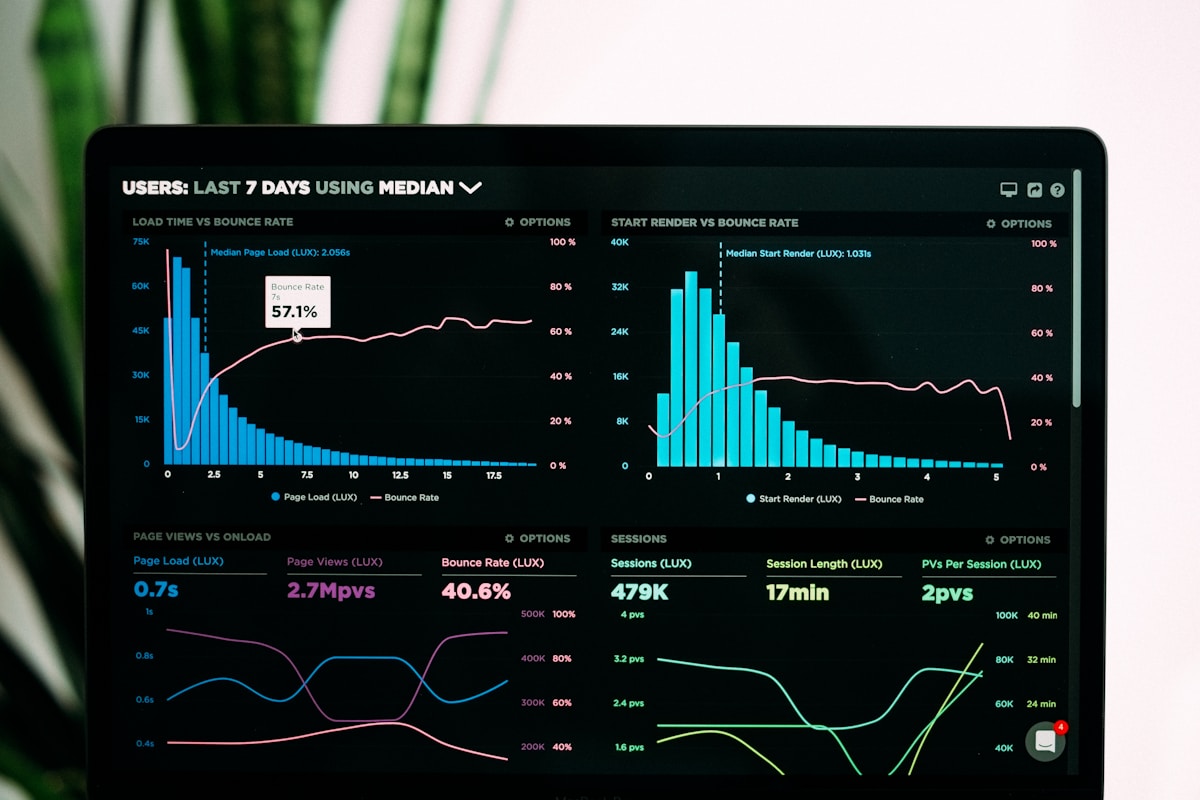
A betting model that wins on old data can still lose on new games. Here are seven warning signs of overfitting, from training-test gaps and data leakage to cherry-picked seasons, and the checklist to run before trusting any backtest.

When a star player is ruled out, odds can move in seconds, and AI systems now detect and trade on injury news faster than any human. Learn how injury news moves markets, where the edge remains, and how to react without chasing bad prices.

Monte Carlo simulation runs a sporting event thousands of times in a computer to estimate win probabilities and outcome ranges. Learn how it works, when it beats simple ratings, and how to use its results without over-trusting them.

Betting bots promise hands-free profits, but most fail within months. The causes are rarely the code: overfit models, ignored vig, stake limits, API failures, and no risk controls are what actually kill automated strategies.
AI odds models turn team stats, player data, and market prices into a probability for each outcome. This plain-language guide explains the inputs, the model, and why no model beats the market every time.

Most betting algorithms look great in backtests and fail in real life. Honest testing means out-of-sample data, realistic odds, proper staking, and enough bets to separate skill from luck.