
How to Find Value Bets Without a Model: A Manual Guide for Beginners
You do not need an algorithm to spot a value bet. Learn how to compare your own probability estimate against the odds and find prices the market has got wrong.
342 stories published in 2026
You do not need an algorithm to spot a value bet. Learn how to compare your own probability estimate against the odds and find prices the market has got wrong.

Every winning bettor suffers drawdowns. Learn how big losing runs get, why they feel worse than the maths says, and the rules that keep a bad run from ending your betting.

Rain, wind, and a worn pitch change how matches play out. Learn how AI models turn weather and surface data into probabilities, and where they still get it wrong.

Player props look like match bets but behave very differently. Learn why predicting one player's shots, points, or yards needs a different model, and what makes props harder to price.

AI tools output numbers that look certain but are not. Learn how to read probabilities, confidence scores, and edge figures, and how to spot a prediction that is overselling itself.

A bonus with a 7-day expiry and a 40x wagering target is a very different offer from the same bonus with 30 days. Learn how expiry rules work and how to check them before you claim.

Reload bonuses reward your second, third, and fiftieth deposit, but their terms are often worse than the welcome offer. Learn how to judge a reload before you take it.

Dutching lets you back several outcomes in one event and profit if any of them wins. Learn the maths, the stake formula, and when dutching beats a single bet.
Every betting price contains a hidden margin that guarantees the bookmaker's profit. Learn how odds are built, how to spot the margin, and why beating it is the whole game.

AI betting tools promise accuracy but rarely prove it. Learn the checks that separate honest tools from marketing, from verified results to trial terms and refund policies.
Licensed online slots are not rigged — but they are designed so the casino wins over time. Here is how RNGs, RTP, and licensing actually work, and where real rigging happens.

A $100 bonus at 40x means $4,000 in bets — or $80,000 on blackjack. Here is the full wagering formula, worked examples, and the traps that double the cost.
A parlay multiplies your odds — and your risk. Three even-money legs pay 7 to 1 but win only 12.5% of the time. Here is the maths, the traps, and when parlays make sense.

The Asian handicap removes the draw and offers the lowest margins in football betting. Here is how half, whole, and quarter lines work — and why sharps prefer them.

Tennis gives AI more data than almost any sport — yet injuries, momentum, and psychology still break the models. Here is where AI tennis predictions work and where they fail.
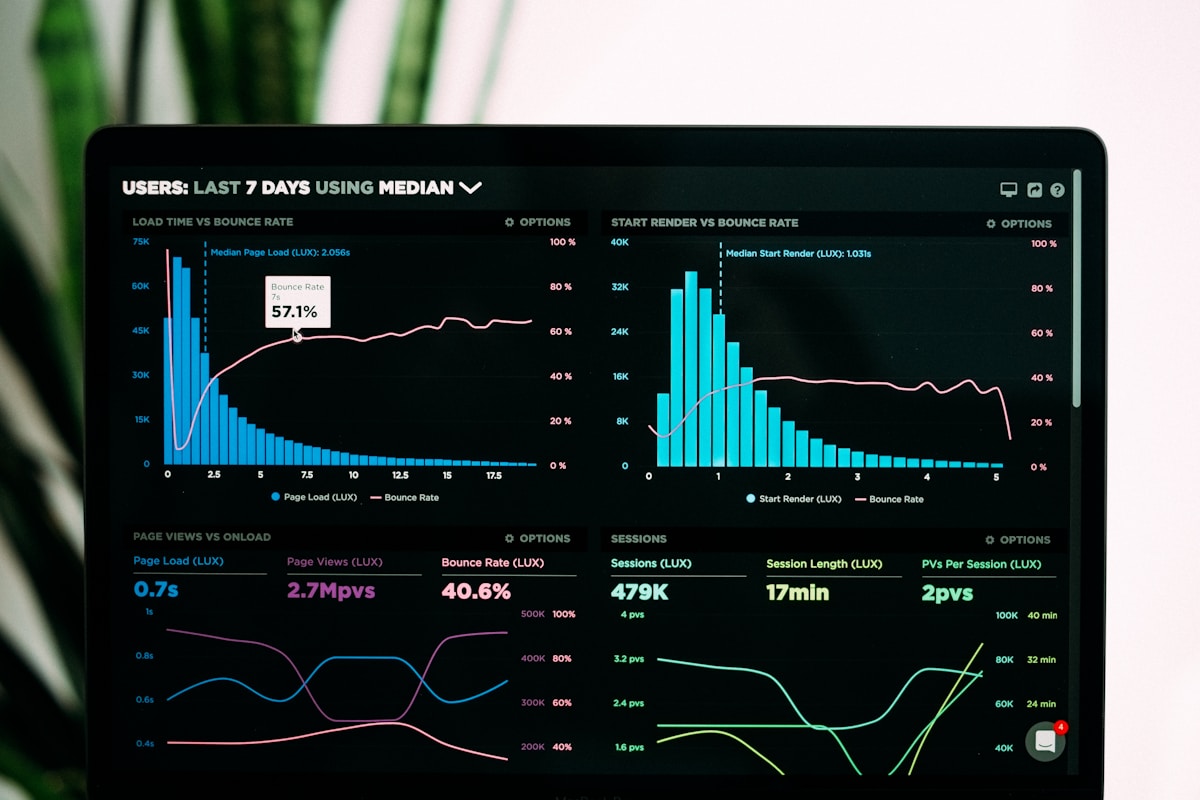
Backtesting tests a betting strategy against history before you risk real money. Here is how to define the rules, gather clean data, and avoid the traps that ruin most tests.
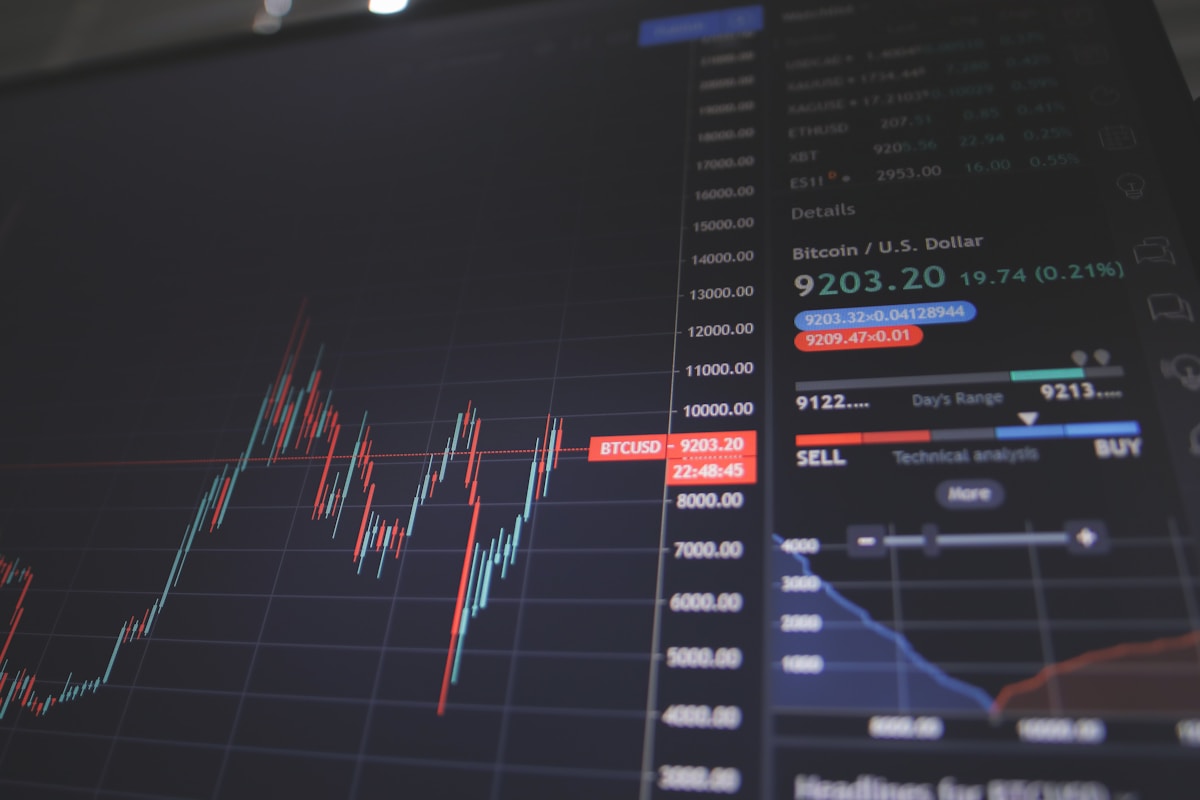
Arbitrage betting guarantees a profit on paper — but the windows last seconds and bookmakers limit winners fast. Here is how surebets work and why they are so hard to scale.
AI betting bots promise passive income, but most lose money — weak models, high margins, and account limits. Here is the honest 2026 answer and how to judge one before paying.
Cash-out feels like control, but the bookmaker takes a 5-10% cut on every offer. Here is how the price is set, when cashing out makes sense, and when it is a mistake.
Free spins sound free, but winnings carry wagering, win caps, and game restrictions. Here is how they really work and when they are actually worth claiming.

A betting bankroll is the fixed pool of money you set aside for betting, and how you stake from it decides whether you survive a losing run. Learn how to size it, set your unit, and pick a staking plan.
Implied probability turns any betting odd into a percentage, so you can compare the bookmaker's price against your own assessment. Learn the formula, the overround, and how to spot value.
Parlay payouts multiply the odds of every leg together, which is why the return looks so big and the win rate is so low. Learn the formula with worked examples and when a parlay is actually worth playing.
The vig is the bookmaker's built-in fee, and it pushes your break-even win rate above 50 percent. Learn how to spot it, how much it varies by market, and three ways to pay less of it.